First, a place to make frost
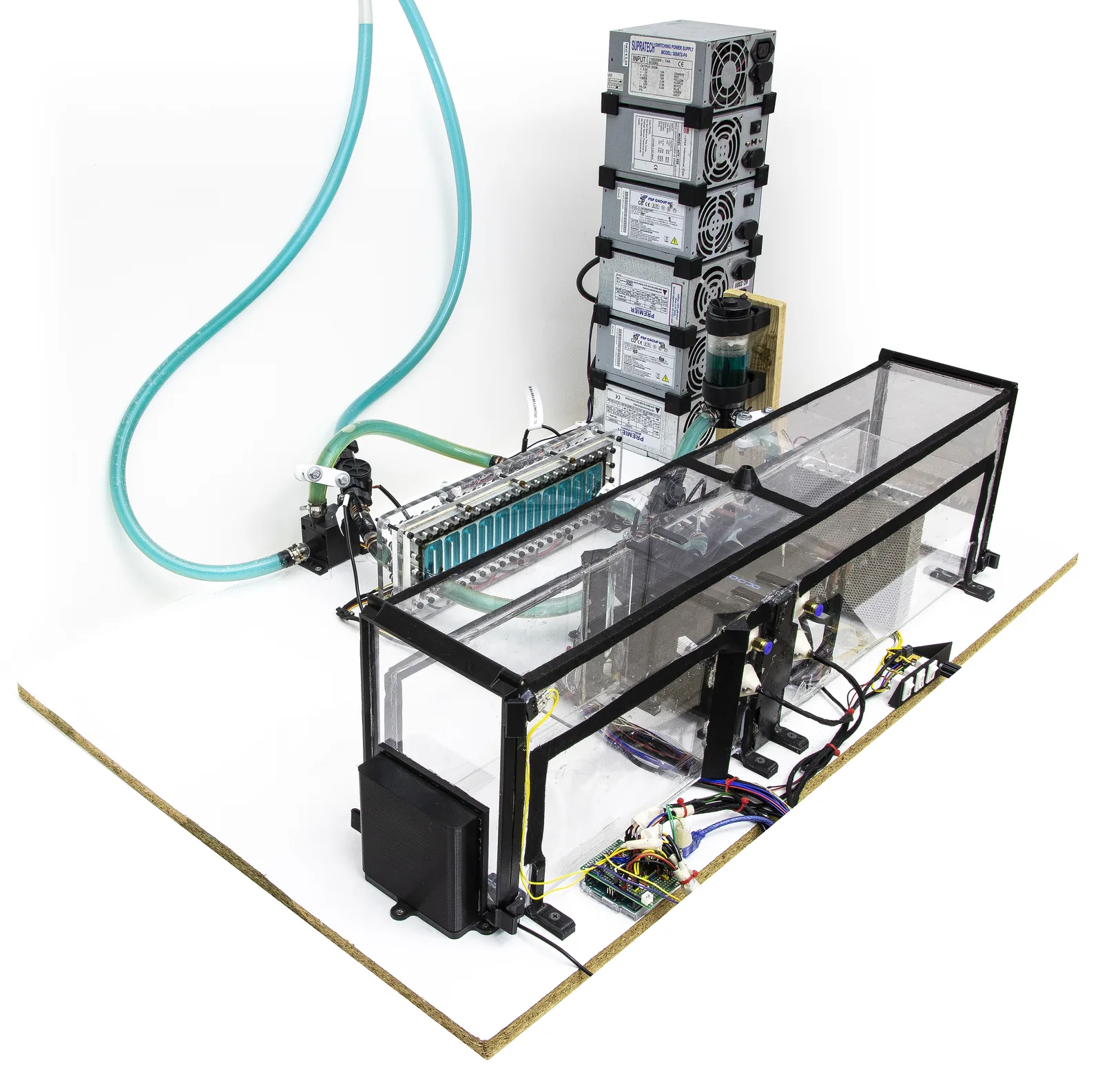
To test a frost sensor you need frost on demand. So I built a small wind tunnel with its own evaporator, where humidity, air speed and temperature could be set and repeated.
Fridges and cold rooms defrost on a timer, whether there is frost or not. My PhD was about a cheap sensor that notices the frost instead.
To test a frost sensor you need frost on demand. So I built a small wind tunnel with its own evaporator, where humidity, air speed and temperature could be set and repeated.
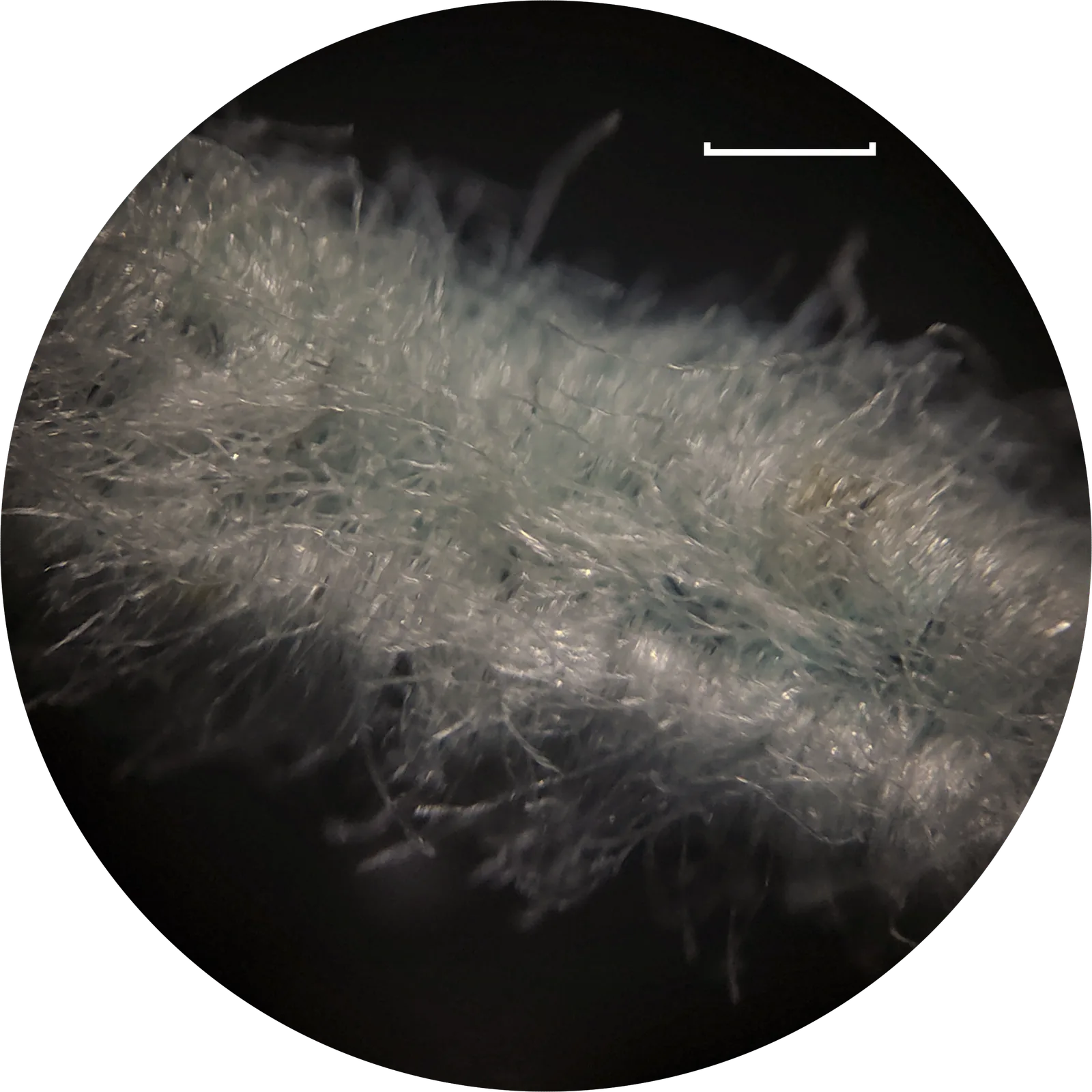
The sensor measures resistance between two electrodes. Water and ice change it. After air gaps and ceramics, the design that behaved best had its electrodes wrapped in loose cotton, which holds the water where the sensor can feel it.
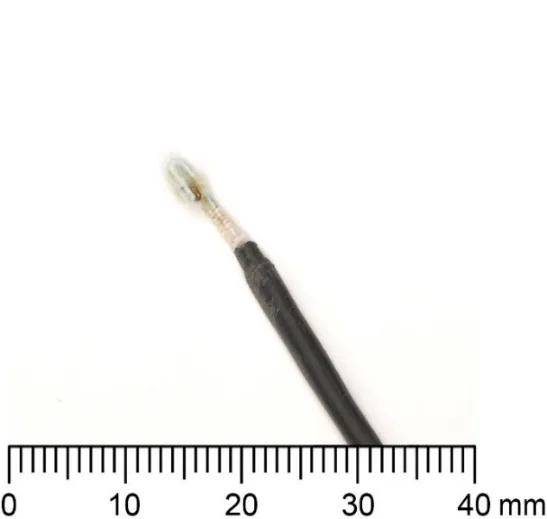
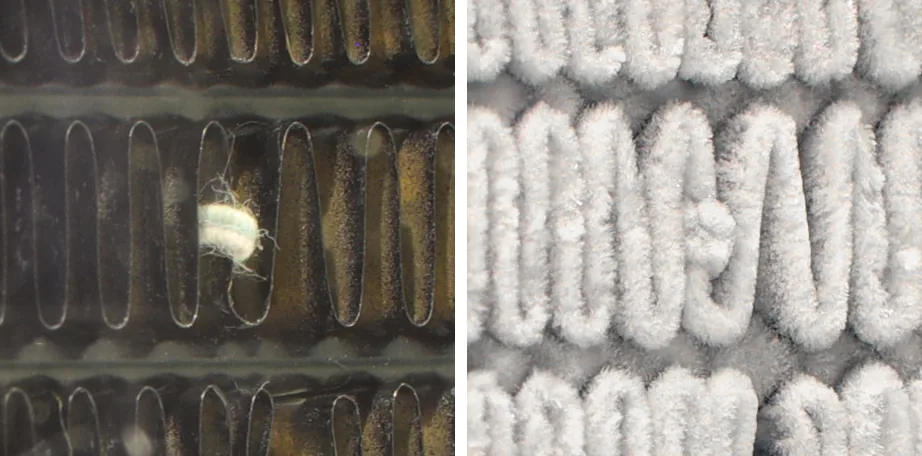
A second version is printed in conductive TPU, so it can be made in one go and shaped to the fins. It became its own patent application.
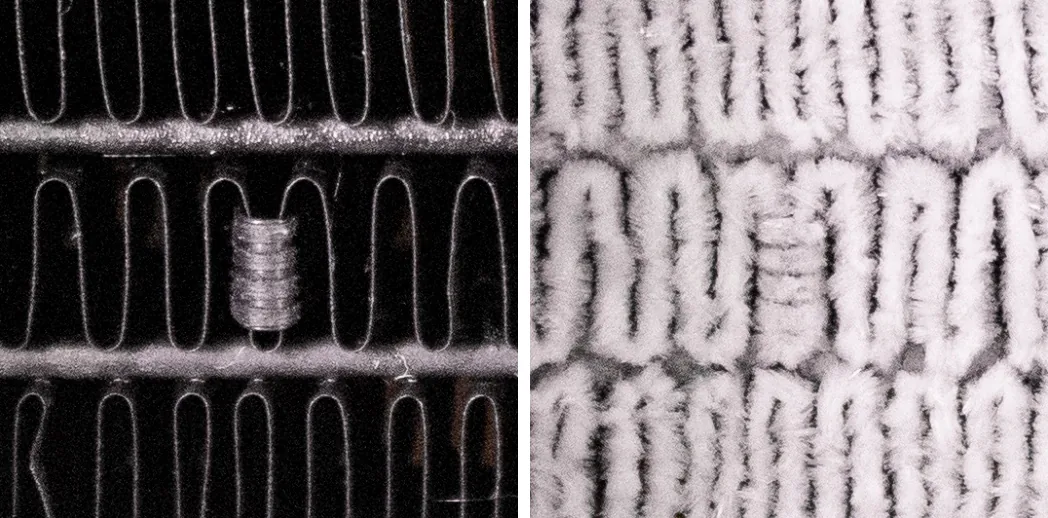
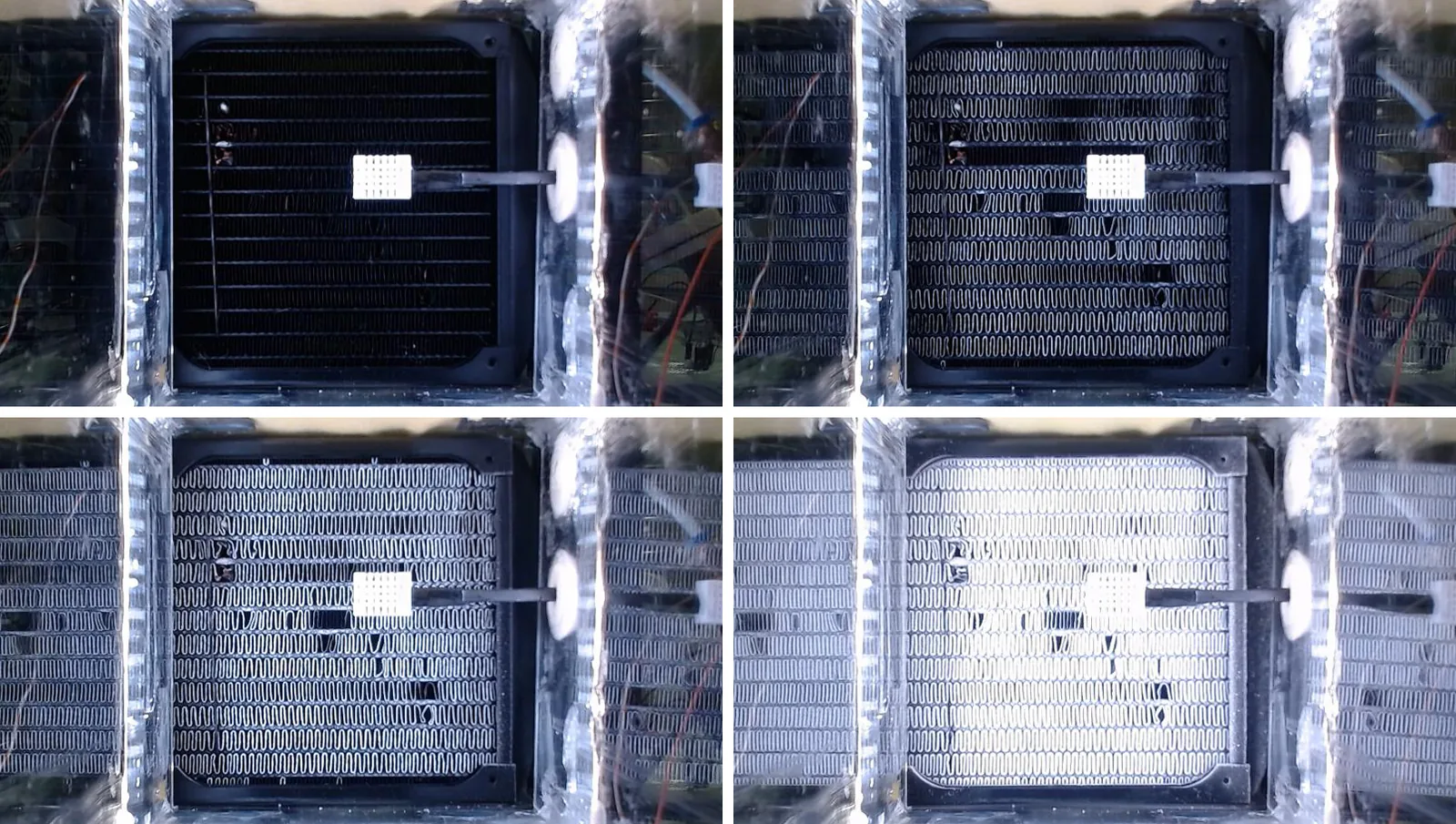
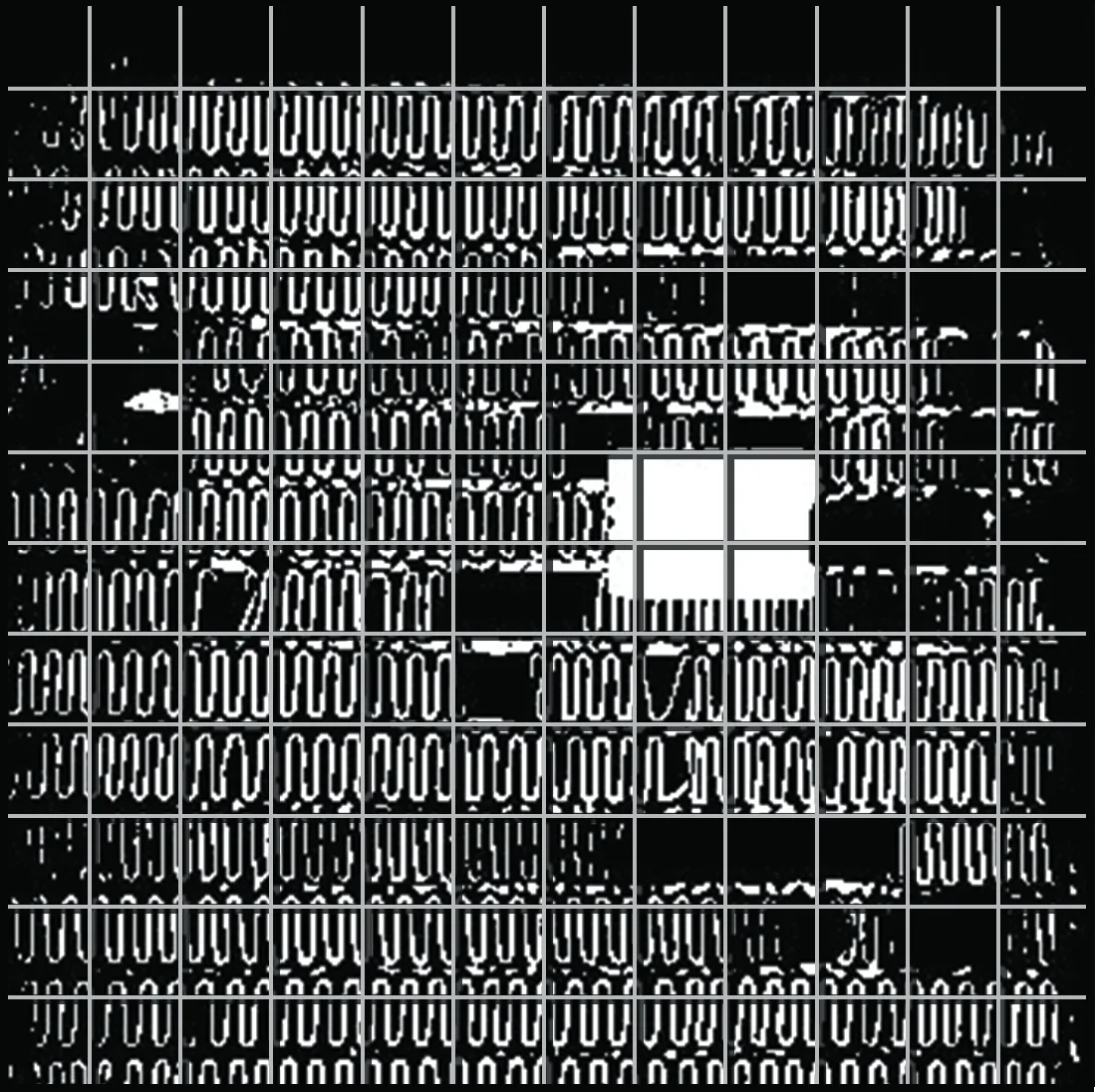
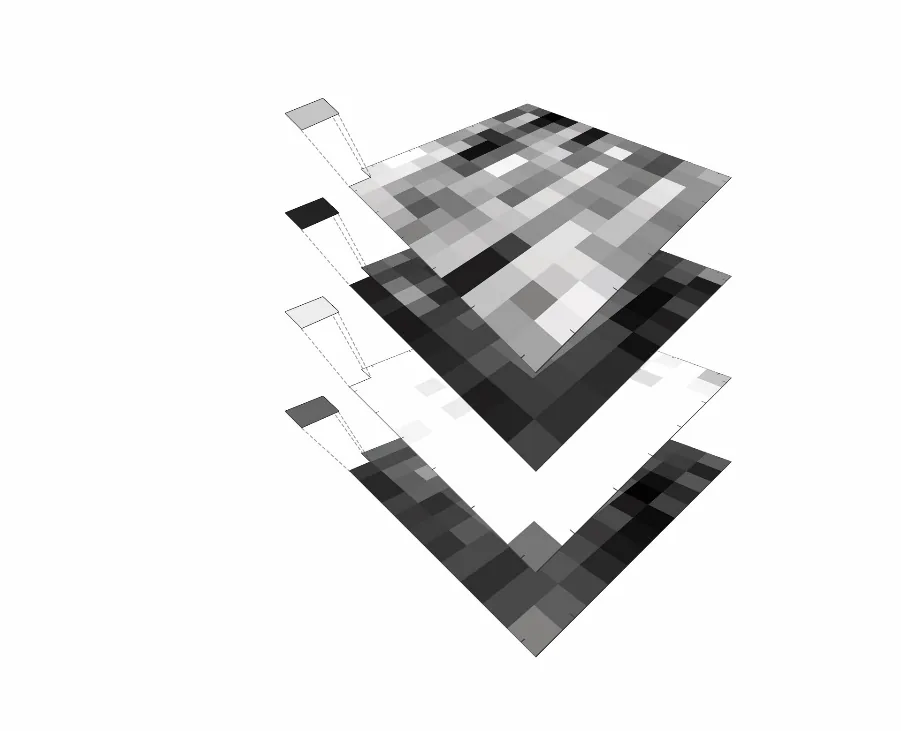
To know whether the sensor was right, I needed an honest referee. A camera and some computer vision split the evaporator into tiles and measured the frost in each one. The same maps showed where frost forms first, which is where the sensor should go.
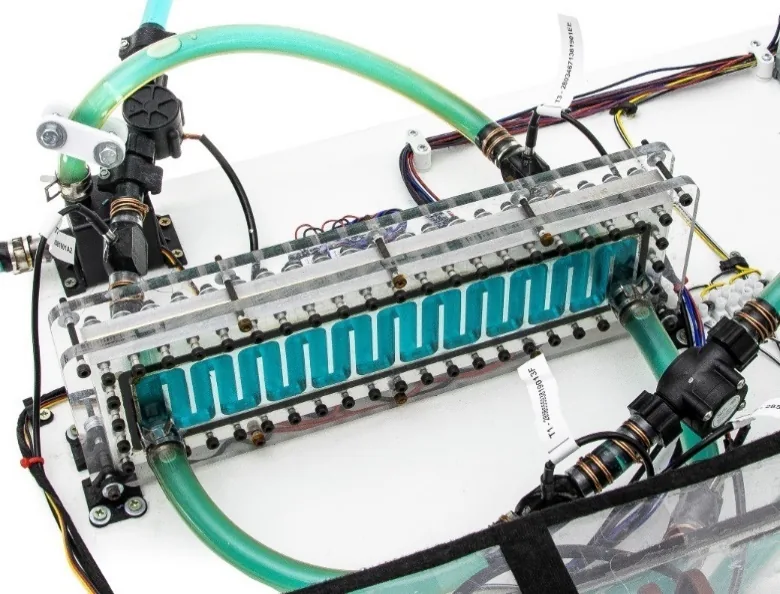
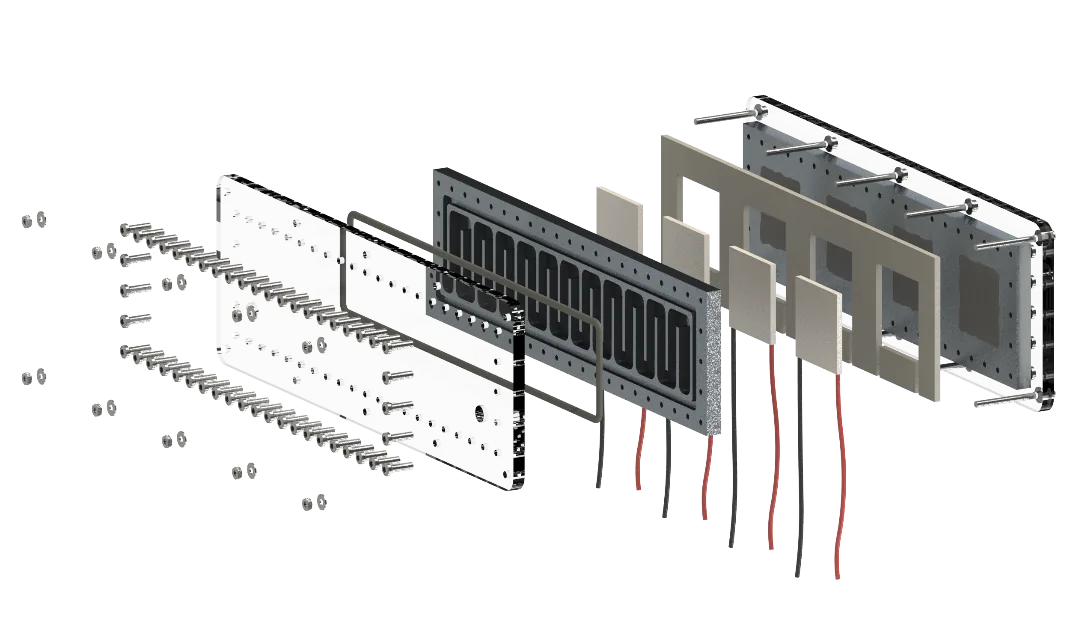
The cold that makes the frost can also power the sensor. A thermoelectric heat exchanger with four Peltier cells gave between 0.20 W and 0.93 W in the tests, more than the sensor needs.
Mostly. It caught the start of frost every time. Telling when defrost had finished was harder: right 58% of the time, and every time when the sensor was in the right place. Which is why the camera maps mattered.
On the home page I put myself between research and industry. From there, my honest view: the sensor was the research, but for real fridges and cold rooms I would push the camera. It sees the whole evaporator instead of one spot, it does not get in the way of the airflow, it can tell when maintenance is due, and it leaves room for much more capable AI. The computer vision was part of this PhD too. That takes nothing away from the sensor; the camera simply has more room to grow.
None of it was done alone: thanks to my supervisors and to the people at C-MAST.